However, it’s not uncommon for people to complain that their peanut butter mousetrap is not working. People often assume that there are some complex chemicals at work within a sticky trap, but a sticky trap is essentially just a board with glue or other adhesive on it.

Sticky Mouse Traps The Sticky Solution To Your Mouse Problem - Pests Off
Just like the alternative snap traps, glue traps have certain advantages and disadvantages.

How does a sticky mouse trap work. Keep reading to learn how to eliminate roaches. You can also make your own trap from recyclable materials around the house. Where can glue board traps be used?
Most traps use traps work to catch mice or kill. At the end i show a more elaborate version where i laser cut a large sheet of adhesive tape. But what are the pros and cons of using glue traps for mice?
When the mouse eats the bait, it lessens the weight enough on the mechanism to spring the trap. These “roach motels” are designed to trap bugs when they walk onto the adhesive. A glue trap is a small cardboard or plastic tray with a very sticky surface that catches and holds mice that touch the glue.
The longer a sticky mouse trap sits around the less sticky it gets. They can contaminate food and food prep areas with their feces, which causes food. You can get them in local stores and are fairly cheap.
This is a simple duct tape trap that i have used to catch mice and to deter larger critters such as squirrels, opossum and raccoons. The most famous of these traps is definitely the snap trap. There are many alternative humane pest control methods available so that sticky glue mouse traps need not be used (live traps, snap traps, rodent zappers).
Insect sticky traps are small, square cardboard boxes that are open at both ends and have an adhesive material coating the inside. The device works as a mouse trap or rat trap by essentially just trapping the rodents in glue so they can't escape. What are glue traps and how do they work?
Traps which kill mice come in many different shapes and sizes. But do these traps really work? It becomes coated in dust and will no longer be effective.
And the more traps you set, the more mice you'll catch—period. All you need to do is to place the traps where the floor meets the wall or where you suspect regular rodent activity. Glue traps are one of the ways to control rodents in which a board with adhesive is used to catch mice or rats.
Even though homemade sticky glue mouse trap has been proven effective, it is still less strong compared to store bought glue rat trap that uses plenty of chemical ingredients. Many customers prefer glue traps because they present an alternate method of eliminating rodents and other insects without the use of poisons. Do sticky traps really work to eliminate roaches?
You can check for signs like droppings, gnaw marks, hairs, or any damage. Reasons why glue traps are a good idea Do sticky pads work to catch mice?
A glue trap is a plastic tray or a compact cardboard with a sticky surface that holds pests once they come into contact with the glue. A mouse trap is a mechanism persons use to kill or trap mice. Snap traps work by triggering a mechanism designed to break the mouse’s neck.
The house mouse is considered one of the most troublesome pests in the u.s. So, there are some things you need to do to retain its effectiveness. It will be less effective for bigger mice.
Once a mouse enters the trap’s tunnel, the circuit technology senses it and triggers an electric shock lethal to mice. It works by snapping the mouse’s neck when it tries to reach for the bait. Picture a situation where you've discovered rodents in your house.
Customers often ask us about the use of glue traps, also known as sticky traps, for mice. In general, these traps are ineffective in locations with a lot of dust, dirt or water. A glue trap is a flat piece of cardboard covered in specially designed sticky glue that can be placed flush against floors and walls where rodents travel.
Apart from mice, some traps are designed to trap larger rodents like rats and squirrels.some varieties include jaw traps, spring traps, snap traps, glue traps, live traps, and electronic traps. The electronic trap works by sending out a strong electric current that kills mice quickly and painlessly, in just seconds. Before you decide to make your own glue trap, you need.
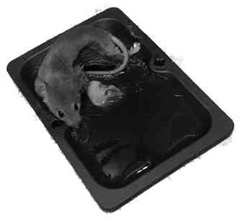
The Top 3 Rat Mouse Glue Traps - Pest Control Products

Tomcat Super Hold Glue Traps - Mouse Traps - Tomcat
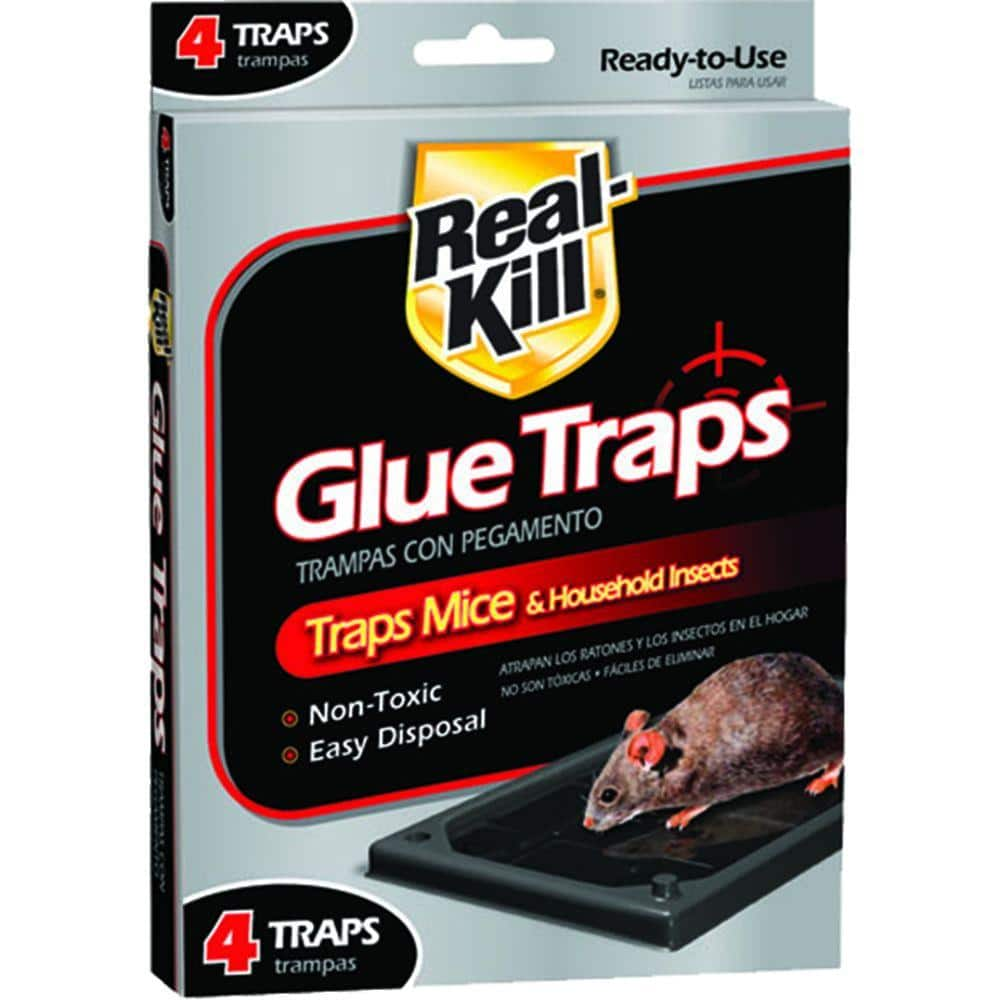
Real-kill Mouse Glue Traps 4-count-hg-10095-4 - The Home Depot

Amazoncom Catchmaster Heavy Duty Rat Mouse Snake And Insect Trap - With Hercules Putty Fastener - 2 Glue Trays Patio Lawn Garden
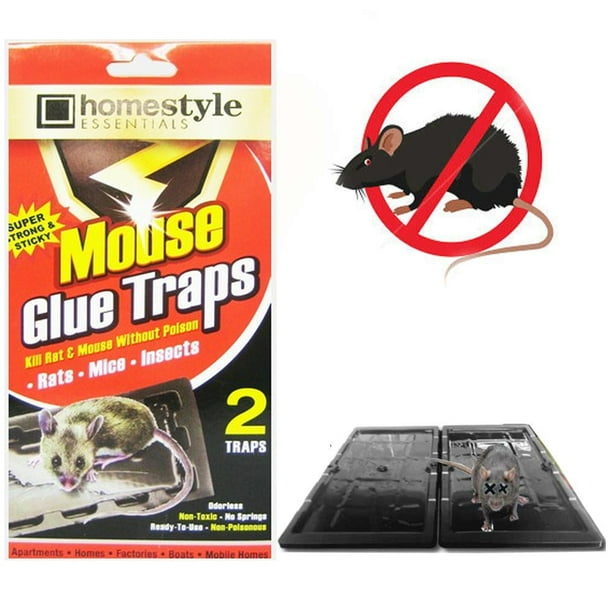
2 Pc Jumbo Glue Sticky Traps Rat Mice Snake Rodent Peanut Scent Disposable Tray - Walmartcom

Why You Should Never Use A Glue Trap - Peta2
Top 6 Best Glue Traps For Mice 2021 Review

Ratmicemouse Sticky Glue Board Traps In Nairobi Central - Home Accessories Online Soko Jijicoke
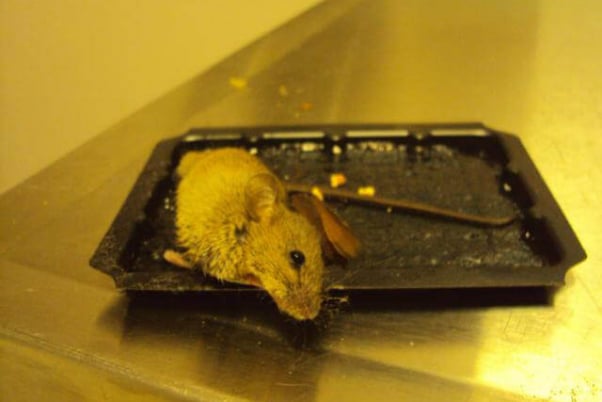
6 Steps To Save Animals Stuck On Glue Traps Peta
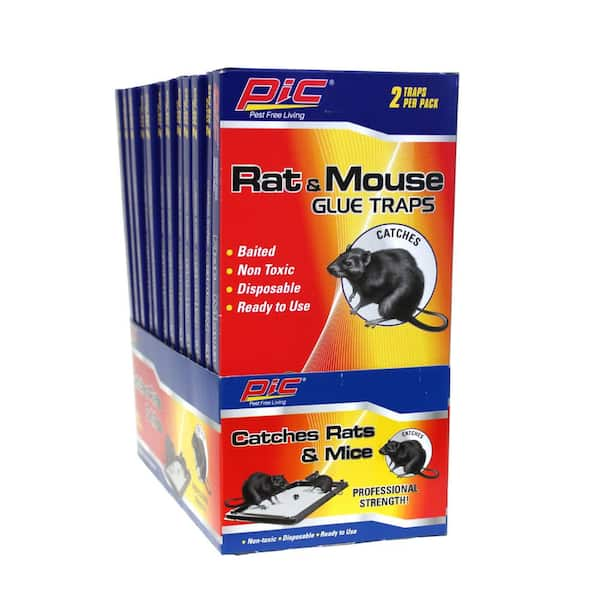
Pic Baited Rat And Mice Glue Traps 24-pack-gt-2-h - The Home Depot

Top 5 Best Sticky Traps For Mice In 2021 With Strong Mouse Glue Board - Best Rat Poison

How To Remove A Live Mouse From A Sticky Trap Homemade Mouse Traps Mouse Trap Diy Mouse Traps

Sticky Mouse Traps Why Should You Never Use Glue Trap Review

Sticky Mouse Traps Why Should You Never Use Glue Trap Review
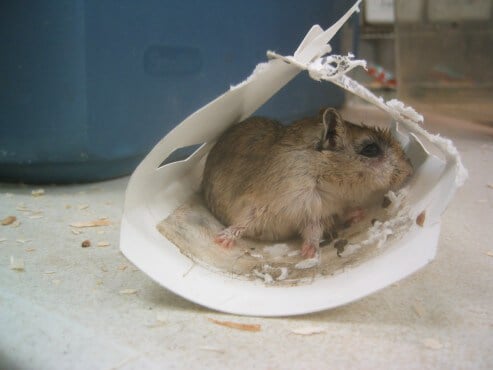
6 Steps To Save Animals Stuck On Glue Traps Peta

Why You Should Never Use A Glue Trap - Peta2

Glue Traps For Mice Reviews - Catchpiece

Best Mouse Glue Traps Insect Cop
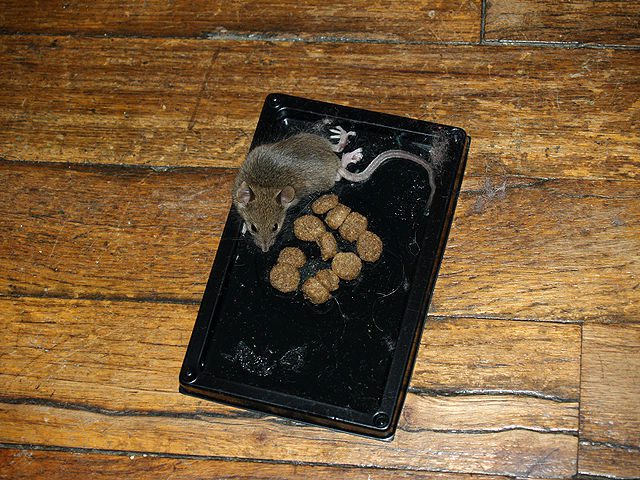
Pros And Cons Of Using Glue Traps For Mice - Colonial Pest Control
Comments
Post a Comment