Essentially, b.p checking requires a b.p cuff to stop the blood circulation to a local artery and gradually release the pressure to measure the systolic and diastolic blood pressure. How does the cuff help provide accurate blood pressure readings?

Using An Ambulatory Blood Pressure Monitor - Familydoctororg
How does a blood pressure cuff work physics?
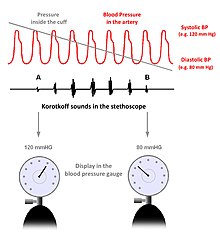
How do blood pressure cuff work. The cuff pressure at this point is the map. Even then, blood pressure measurements taken at the wrist are usually higher and less accurate than those taken at your upper arm. Because of its complexity, integrating this method into a tiny device like a smartwatch or fitness tracker is not easy.
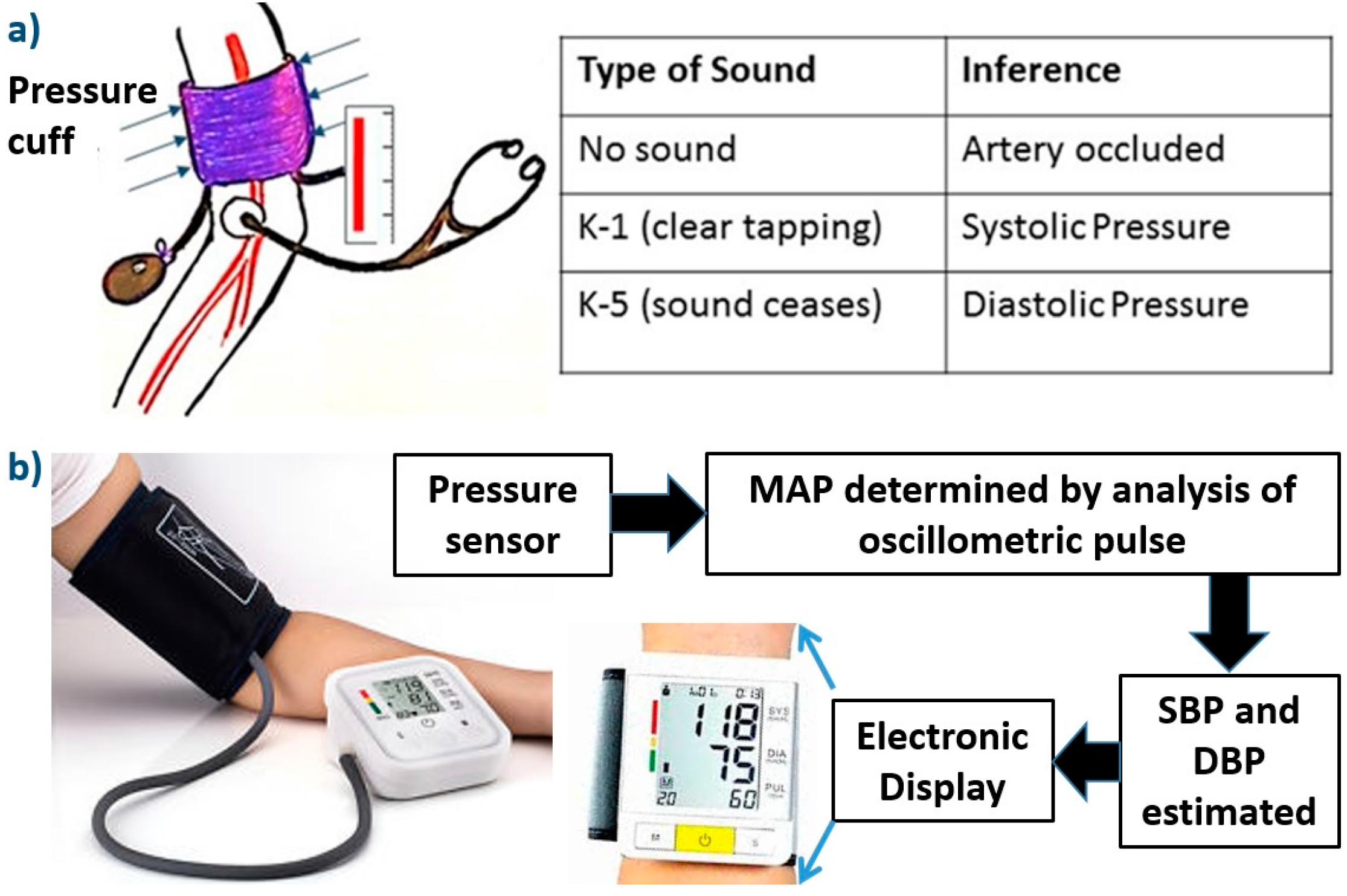
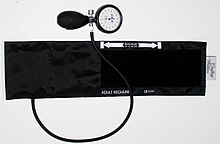
Typically, the cuff is designed with flexible air bladder that links to a bulb pump. In this video we discuss how blood pressure cuffs work, the different methods used to measure blood pressure, how blood pressure is measured, and modern appl. To read to the systolic and diastolic pressure during the test, the air bladder is also connected with a pressure sensor that.
The final systolic blood pressure reading may be as much as 10 mm hg lower than the first. First, she said, compare the blood pressure machine measurement with a blood pressure. If the cuff pressure, in turn, falls below the diastolic.
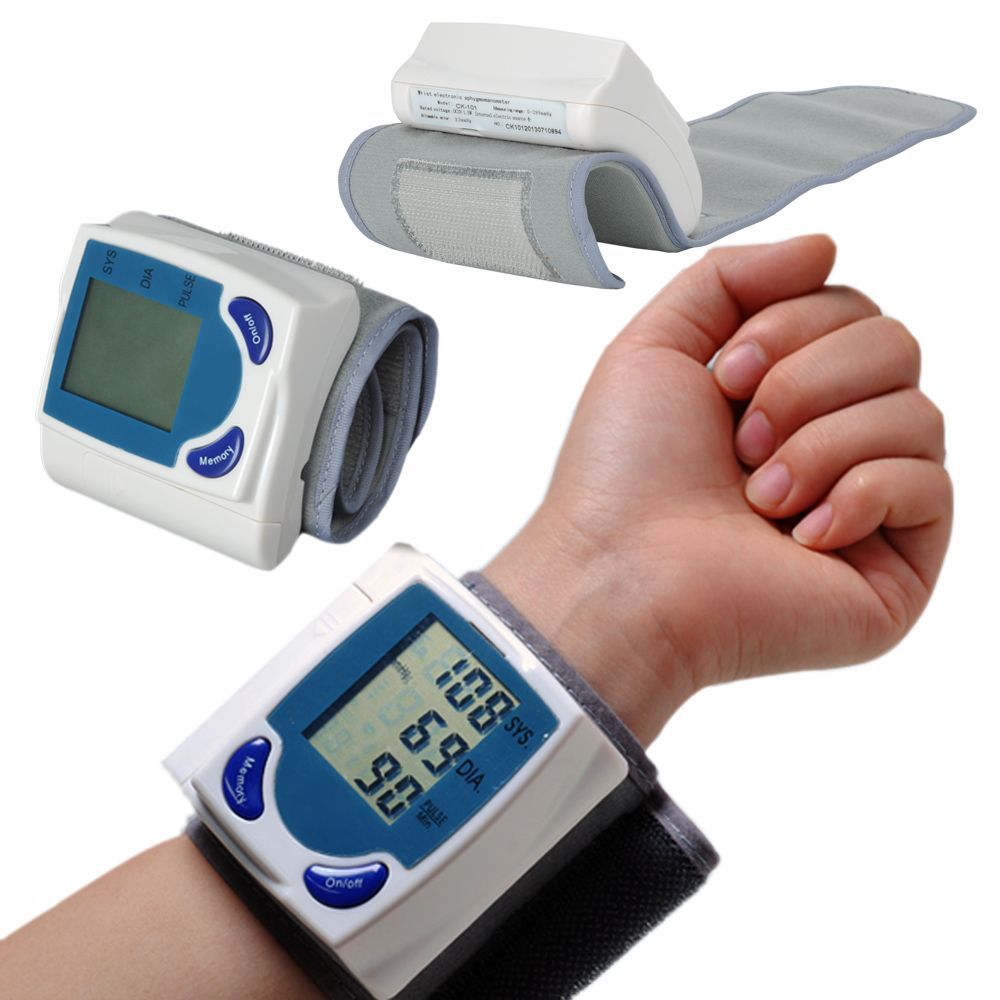
To get an accurate reading when taking your blood pressure with a wrist monitor, your arm and wrist must be at heart level. The turbulent blood flow causes vibrations of the artery wall, the maximum of which correlates with what is known as ‘mean arterial pressure’, or ‘map’. As the pressure keeps dropping, these oscillations reach a point of maximal amplitude.
The number at which blood starts flowing (120) is the measure of the maximum output pressure of the heart (systolic reading). The cuff is wrapped around a superficial artery (usually the brachial) and inflated using the rubber bulb. More on this in a bit… *updated as of november 2021.
How to use a wrist cuff is one of 14 sections in my article about blood pressure cuffs. Initially, the cuff inflates to occlude the brachial artery (no flow). The tool used to take blood pressure, often referred to as a blood pressure cuff, is known as a sphygmomanometer.
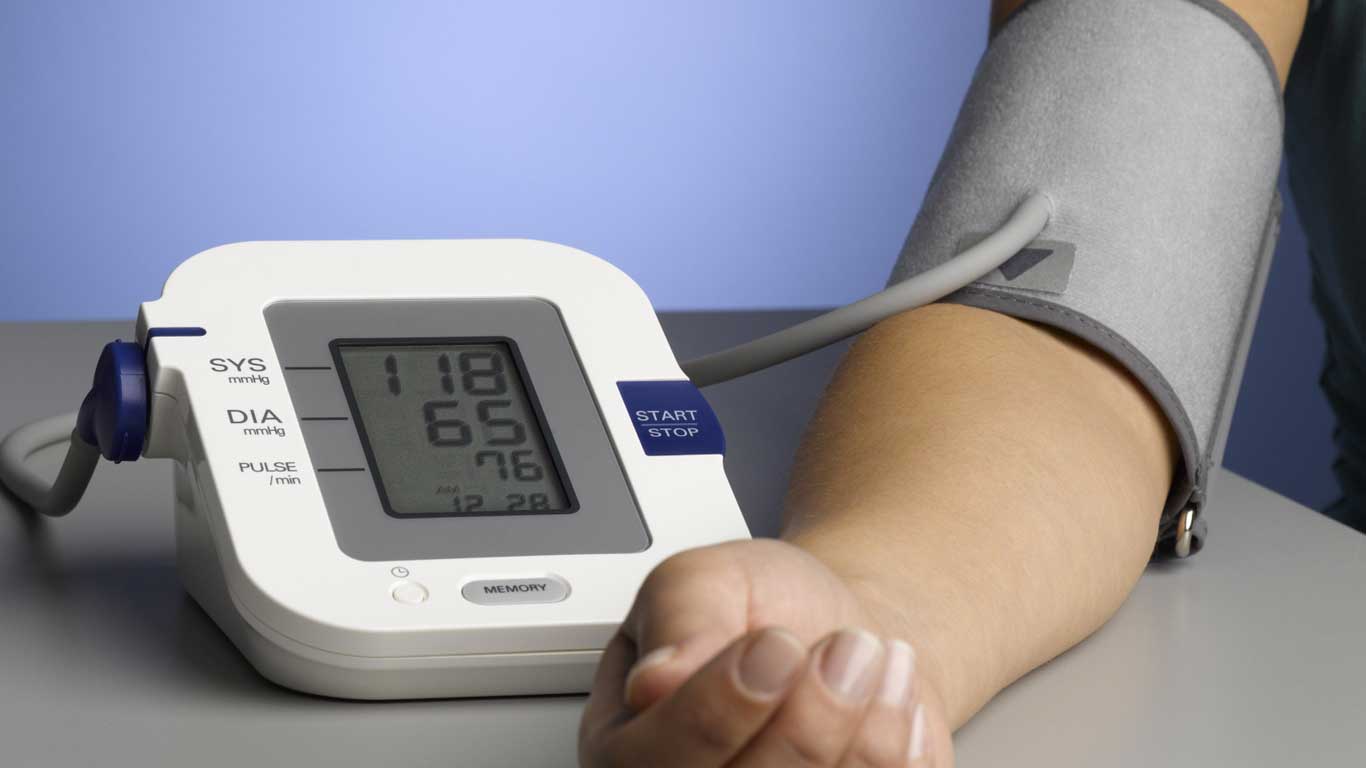
Blood pressure machines vary, but they're all a type of measuring device, which often have an arm cuff attached to it. The cuff should cover 80% of. An automated nibp machine works by inflating to the set pressure, and then slowly letting a little bit of air out, and then checking to see if the current inflated pressure of.
When the cuff pressure falls below the patient's diastolic pressure, blood flows smoothly through the artery in the usual pulses, without any vibration being set up in the wall. To measure blood pressure, the cuff is placed around the bare and stretched out upper arm, and inflated until no blood can flow through the brachial artery. The inflatable part of the blood pressure cuff should cover about 40% of the distance around (circumference of) your upper arm.
Do the calibration again if the difference is greater than 5. Learn more about bp cuffs, including how to apply them, errors made and sizes, here in the article, blood pressure cuffs. The cuff is usually wrapped around your upper arm and filled with air until it feels tight.
Bp readings will usually decline over the five measurements. According to ringrose, there are a number of ways to minimize inaccurate readings with the devices. The high pressure in the cuff is transmitted to the artery, which eventually collapses, inhibiting blood flow to the lower arm.
If the difference is 5 mm hg or less, the comparison is acceptable. There are many parts of a bp cuff that are important to getting an accurate reading of your blood pressure. Vibrations occur at any point where the cuff pressure is sufficiently high that the blood has to push the arterial wall open in order to flow through the artery.
Understanding the blood pressure cuff parts and what they do can help. Now that you have your body in the proper position and the cuff on your wrist, start your 5 minutes of quiet time. Wrist blood pressure monitors are extremely sensitive to body position.
As the cuff pressure drops, turbulent flow is generated through the vessel, creating oscillations against the arterial wall. As the pressure in the cuff is released, blood starts flowing again and the doctor can hear the flow in the stethoscope. When you measure your blood pressure at home, it's important to use the proper size cuff.
The doctor continues releasing the pressure on the cuff and listens until there is no sound. As with the auscultatory method, blood flow through the artery only returns when the cuff pressure falls below systolic blood pressure level. These vibrations are detected by the sensors in the arm cuff.

Blood Pressure Bioninja

How Stuff Works How Does A Sphygmomanometer Blood Pressure Gauge Work
Technologies Free Full-text Cuff-less And Continuous Blood Pressure Monitoring A Methodological Review Html

How Do Blood Pressure Monitors Really Work Seca

The Site For Healthcare Professionals Sphygmomanometer Bp Monitor

How Blood Pressure Works Animation Sphygmomanometer Blood Pressure - Youtube

6 Tips About Home Blood Pressure Monitors Cleveland Clinic
Sphygmomanometer - Wikipedia

Nonvalidated Home Blood Pressure Devices Dominate The Online Marketplace In Australia Hypertension
Sphygmomanometer - Wikipedia
How Do Blood Pressure Monitors Work Livongo Tech Blog
How Do Blood Pressure Monitors Work Livongo Tech Blog

How Blood Pressure Works Animation - Understanding Blood Pressure Measurement Monitor Readings Video - Youtube

6 Best Blood Pressure Monitors 2021 Understanding Readings

How To Take Your Blood Pressure At Home - Cnet

The Blood Pressure Cuff Parts Learn More About How These Machines Work
How Does A Blood Pressure Machine Work - Quora

High Blood Pressure - Hypertension Causes Treatment - Heart Foundation

Are Blood Pressure Monitors Accurate
Comments
Post a Comment